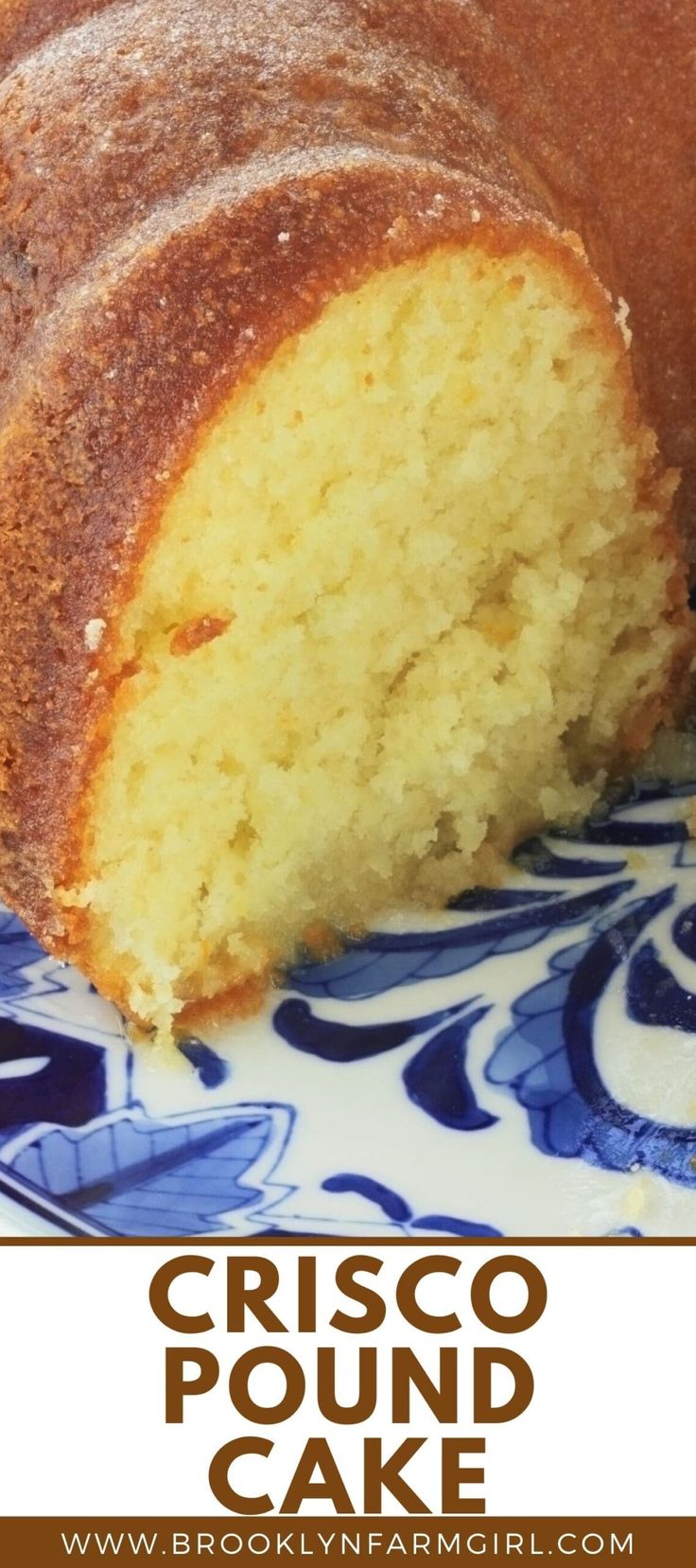
Bake Authentic Vintage Crisco Pound Cake: Essential Tips
There's a reason certain recipes stand the test of time, passing from generation to generation, dog-eared on recipe cards or shared through whispered family secrets. The Crisco pound cake is one such culinary legend. More than just a dessert, it's a comforting slice of nostalgia, evoking images of bustling kitchens, Sunday dinners, and the simple elegance of a bygone era. If you're yearning to recreate that perfect, fluffy, moist, and utterly irresistible vintage Crisco pound cake, you've come to the right place. Forget what you think you know about modern baking; this journey requires a few time-honored techniques and a commitment to tradition that promises a truly remarkable result.
This isn't just another pound cake recipe; it's an homage to the classic versions inspired by the Crisco cans of the 1950s and 1960s. We'll delve into the secrets that make this cake so special, from the critical role of Crisco itself to the meticulous creaming process and the surprising cold oven start. Prepare to unlock the true essence of a Southern-style pound cake that will become a beloved staple in your home.
The Crisco Advantage: Why Tradition Matters for Your Pound Cake
When it comes to baking an authentic vintage pound cake, the first and most non-negotiable rule is to embrace Crisco. Many modern bakers might reach for butter, assuming it's always the superior choice. However, for this particular classic, butter simply won't yield the same iconic texture. Our baking ancestors understood that Crisco, with its unique properties, is key to achieving that signature fluffy, tender crumb and moist interior that defines a traditional Crisco pound cake.
So, what makes Crisco indispensable here? Firstly, Crisco is 100% vegetable shortening, meaning it contains no water, unlike butter (which is typically around 80% fat and 20% water). This higher fat content contributes to an incredibly moist cake without the risk of developing too much gluten, which can happen with butter and its water content. Secondly, Crisco has a higher melting point than butter, which means it remains solid longer during the initial baking phase. This allows the cake structure to set more slowly, resulting in a finer, more even crumb and a cake that rises beautifully without collapsing. It truly is the unsung hero that gives this vintage cake its distinct character. Trying to substitute it, as seasoned bakers will attest, simply "won't turn out right."
Mastering the Creaming Process: The Secret to an Airy Crisco Pound Cake
If you thought creaming was just about mixing ingredients, think again. For a truly fluffy Crisco pound cake, the creaming process is arguably the most critical step, and it demands patience. The reference context clearly states, "you need to cream the Crisco, sugar, and eggs until fluffy (about 20 minutes!)." This isn't an exaggeration; it's a golden rule.
Why such a long creaming time? This extended mixing serves multiple crucial purposes:
- Aeration: As the Crisco and sugar are beaten together, countless tiny air pockets are incorporated into the mixture. These air pockets are vital for the cake's ultimate rise and light, airy texture. Think of them as miniature balloons expanding in your oven, lifting the batter.
- Sugar Dissolution: Longer creaming ensures that the sugar crystals begin to dissolve into the fat. This prevents a gritty texture and contributes to a smoother, more uniform crumb. When the sugar is fully incorporated, it also helps tenderize the cake.
- Emulsification: Adding eggs one at a time and continuing to beat helps create a stable emulsion between the fat, sugar, and egg. A well-emulsified batter holds air better and bakes more evenly.
You'll know you've achieved the perfect consistency when the mixture transforms from dense and yellowish to light, pale, and incredibly fluffy, almost like whipped cream. It should look significantly increased in volume. Don't rush this step, and trust your mixer – it’s doing important work. For a deeper dive into this critical technique and other key methods, be sure to check out our article: Unlock Fluffy Crisco Pound Cake: Creaming & No Overmixing Secrets.
The Cold Oven Conundrum: A Game-Changing Baking Method
Here’s another vintage baking secret that might surprise modern cooks: starting your Crisco pound cake in a cold oven. It sounds counterintuitive, as most recipes call for preheating, but this technique is a cornerstone of achieving that perfect rise, tender crumb, and beautiful golden crust without cracking.
The science behind the cold oven method is fascinating and effective. When you place your batter into a cold oven and then turn up the heat, the cake experiences a gradual increase in temperature. This slow, steady rise in heat allows the batter to warm up evenly and begin to set from the outside in, rather than being shocked by immediate high heat. This gentle transition helps the leavening agents (often just the air incorporated during creaming and sometimes a touch of baking powder) to work more effectively and over a longer period. The result? A cake that rises slowly and evenly, preventing the formation of a large dome or unsightly cracks on top. It also contributes to an incredibly moist and tender texture throughout.
The initial slow warm-up encourages the cake to puff up gradually, setting its structure gently before the heat becomes intense enough to quickly brown the exterior. This prevents the outside from baking too quickly and forming a crust while the inside is still raw, which can lead to a dense, underbaked center. For a comprehensive guide to this unique technique, don't miss our detailed explanation: The Cold Oven Secret to a Perfect Crisco Pound Cake.
Beyond the Basics: Mastering the Batter, Bake, and Pan
While Crisco, proper creaming, and the cold oven are the main pillars, several other essential tips will elevate your Crisco pound cake from good to legendary.
Careful Mixing and Quality Ingredients
- Don't Overmix the Batter: After incorporating your dry ingredients into the wet, mix just until combined. Overmixing develops gluten in the flour, which will lead to a tough, dense cake – the opposite of what we want for a fluffy pound cake. A hand mixer on low speed for a short duration is ideal.
- Ingredient Temperature: While Crisco should be at room temperature for optimal creaming, ensuring your eggs are also at room temperature helps them emulsify more effectively into the fat and sugar mixture, contributing to a smoother batter.
- Vintage Flavor Profile: For that truly authentic 1950s/1960s flavor, use a blend of extracts. The classic suggestion is ½ teaspoon vanilla extract and ½ teaspoon almond extract instead of just vanilla. This combination adds a depth of flavor that is truly iconic.
Pan Preparation and Baking Perfection
- Choosing Your Pan: A Bundt pan is traditional for its decorative shape, but it's not strictly necessary. A similar width round cake pan or a springform pan can work beautifully. If using a round pan and desiring the hole, a clever hack involves placing a small, oven-safe ceramic ramekin (sprayed with nonstick spray) in the center of the pan and weighing it down with dry beans.
- Proper Pan Prep: Regardless of the pan type, ensure it's thoroughly greased and floured. This prevents sticking and ensures your beautiful cake releases cleanly.
- Baking Time and Temperature: Once your prepared pan is in the cold oven, set the temperature to 300°F (150°C). Bake for approximately 1 hour, 50 minutes to 2 hours, or until a wooden skewer or toothpick inserted into the center comes out clean. The cake should be golden brown and spring back slightly when gently pressed.
- Cooling Process: Allow the cake to cool in the pan on a wire rack for about 15-20 minutes before attempting to invert it. This crucial step allows the cake to firm up and prevents it from crumbling. Once inverted, let it cool completely on the wire rack before slicing.
Serving Your Southern Classic
A true Crisco pound cake is a versatile masterpiece. It's delicious simply as is, allowing its rich, buttery (but Crisco-infused!) flavor and moist crumb to shine. For a touch of elegance, a dusting of powdered sugar is always a classic choice. Alternatively, a simple vanilla glaze drizzled over the top adds another layer of sweetness and visual appeal. But don't stop there! This cake pairs beautifully with fresh berries and whipped cream, a scoop of vanilla ice cream, or even a warm fruit compote. It's the perfect centerpiece for holidays, Sunday dinners, potlucks, or simply an afternoon treat with a cup of coffee or tea.
Conclusion
Baking an authentic vintage Crisco pound cake is more than just following a recipe; it's a connection to culinary history, a testament to the enduring power of classic flavors and techniques. By understanding the critical role of Crisco, embracing the patient art of creaming, and mastering the surprising cold oven method, you're not just baking a cake – you're preserving a tradition. The result is a cake that is fluffy, moist, rich, and utterly unforgettable, a golden loaf with that signature tender crumb that will undoubtedly become a treasured family favorite. So, roll up your sleeves, gather your ingredients, and prepare to bring a slice of the past into your present kitchen.
