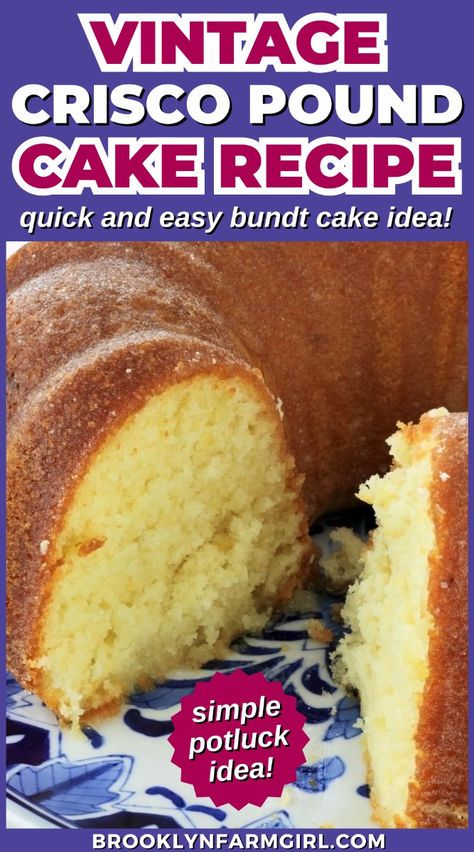
Unlock Fluffy Crisco Pound Cake: Creaming & No Overmixing Secrets
There's a reason why the classic Crisco pound cake holds such a special place in our culinary history. It’s more than just a dessert; it’s a nostalgic journey back to simpler times, evoking memories of grandma's kitchen and Sunday family gatherings. This beloved crisco pound cake, renowned for its incredibly fluffy texture, moist crumb, and rich, buttery flavor, is a testament to the enduring power of classic baking techniques. While its ingredient list is straightforward, the true magic lies in mastering a few foundational secrets: the essential role of Crisco, the art of proper creaming, and the critical importance of never overmixing. Prepare to transform your baking with these timeless insights and create a pound cake that will become an instant family favorite.
The Unsung Hero: Why Crisco is Non-Negotiable for Authentic Pound Cake
When it comes to achieving that distinctive texture and flavor of a true vintage Crisco pound cake, the first and most crucial rule is unwavering: use Crisco. Many modern bakers might be tempted to substitute it with all butter or other shortenings, but as the wisdom of generations past confirms, the results simply won't be the same. Crisco, a hydrogenated vegetable shortening, possesses unique properties that are vital to this recipe's success.
Unlike butter, Crisco is 100% fat, containing no water. This absence of water contributes to a significantly softer, more tender crumb and prevents gluten development that can lead to a tough cake. Its higher melting point also means the cake rises more gradually and evenly in the oven, leading to a lighter, airier structure. When combined with butter, as many versions of this recipe do, Crisco provides the best of both worlds: the tender crumb and structural integrity from the shortening, and the rich, complex flavor notes from the butter. Trying to replace it entirely would compromise the delicate balance, leaving you with a pound cake that lacks the characteristic lift and moist, fluffy texture that defines this classic dessert.
Mastering the Creaming Process: The 20-Minute Fluffy Secret
One of the most transformative steps in creating an exquisitely crisco pound cake is the creaming process. This isn't just about mixing ingredients; it's a critical stage that incorporates air into your batter, laying the groundwork for that signature fluffy texture. As vintage recipes often emphasize, you'll need to cream the Crisco, sugar, and eggs until truly fluffy – and yes, that can take a good 20 minutes!
Why so long? This extended creaming time achieves several crucial objectives:
- Aeration: As the fat (Crisco and often butter) and sugar are beaten together, the sharp edges of the sugar crystals cut into the fat, creating tiny air pockets. These air pockets expand during baking, contributing to the cake's rise and light texture.
- Sugar Dissolution: Prolonged creaming helps dissolve the sugar, resulting in a smoother, more uniform batter and preventing a gritty texture in the final cake.
- Emulsification: When eggs are gradually added and beaten into the creamed mixture, they emulsify with the fats, creating a stable, homogenous base for your batter. This emulsification is key to a moist and tender crumb.
To execute this perfectly, start with your Crisco and butter (if using both) at a cool room temperature – soft enough to indent easily but not melted. In a stand mixer fitted with the paddle attachment (or using a hand mixer), beat the shortening and sugar on medium-high speed. After a few minutes, begin adding the eggs one at a time, beating well after each addition until fully incorporated. Continue beating for the full 20 minutes, periodically scraping down the sides of the bowl to ensure everything is evenly mixed. The mixture should transform from dense and yellowish to pale, significantly lighter in color, and visibly fluffy with increased volume. This dedication to creaming is a fundamental secret to achieving the perfect, airy crumb of an authentic Crisco pound cake.
The Delicate Dance: Avoiding Overmixing for a Tender Crumb
While extended creaming is essential, the subsequent mixing of dry and wet ingredients demands a completely different approach: gentleness and restraint. The secret to a truly tender and moist crisco pound cake lies in avoiding overmixing the batter once the flour is added. This step is just as critical as proper creaming, yet often overlooked.
Here's why: flour contains gluten. When gluten proteins are activated and developed by excessive mixing in the presence of liquid, they form long, elastic strands. While this is desirable for bread, it leads to a tough, dense, and chewy cake. For a pound cake, we aim for a soft, melt-in-your-mouth crumb.
When you combine your wet and dry ingredients, mix them only until they are just incorporated. You might still see a few small lumps of flour – this is perfectly acceptable, even desirable, as they will disappear during baking. Use a hand mixer on its lowest setting, or better yet, finish the mixing by hand with a spatula. Stop as soon as the flour streaks disappear. This delicate touch ensures that the gluten development is minimized, allowing your cake to retain its tender, fluffy character that makes this particular Crisco pound cake recipe so famous.
The Cold Oven Conundrum: A Paradoxical Path to Perfection
Perhaps one of the most intriguing and counter-intuitive secrets of this vintage Crisco pound cake is the instruction to start baking in a cold oven. Modern baking often dictates preheating, but for this specific recipe, placing your batter into a cold oven is a deliberate technique that contributes significantly to the cake's unique texture and even bake.
When a cake pan is placed into a cold oven that gradually heats up to the target temperature, the batter undergoes a slow, gentle temperature increase. This prolonged exposure to rising heat allows the cake to:
- Rise More Evenly: The cake bakes from the outside in, and the gradual heat encourages a uniform rise, preventing a sudden burst of heat that can cause a high dome and cracks on top.
- Prevent Cracks: The slow rise helps prevent the top crust from setting too quickly, which can lead to unsightly cracks as the interior continues to expand.
- Develop Deeper Flavor: A longer, slower bake can also contribute to a more complex flavor development and a richer, golden-brown crust.
So, after pouring your carefully mixed batter into your prepared pan, place it directly into a cold oven. Then, set the temperature to 300°F (150°C). This gentle approach is a cornerstone of achieving a perfectly moist and evenly textured Crisco pound cake, ensuring it rises naturally and bakes to golden perfection over approximately 1 hour and 50 minutes to 2 hours, or until a wooden skewer inserted into the center comes out clean.
Crafting Your Classic Crisco Pound Cake: Step-by-Step Guide & Flavor Notes
Armed with these essential secrets, you're ready to create your very own crisco pound cake. Here's a comprehensive guide to bring that vintage flavor to life:
Ingredients You'll Need:
- All-purpose flour
- Baking powder (a surprising addition for a traditional pound cake, contributing extra lift)
- Salt (to balance flavors)
- Crisco shortening (non-negotiable!)
- Granulated sugar
- Large eggs
- Milk (whole milk for richness)
- Vanilla extract (for classic flavor)
- Optional: Almond extract (for the exact vintage Crisco can recipe, use ½ teaspoon vanilla and ½ teaspoon almond extract for an extra layer of nostalgic flavor.)
Preparation & Assembly:
- Pan Preparation: Grease and flour your chosen pan thoroughly. While a bundt pan gives a beautiful presentation, it's not strictly necessary. For a creative hack, use a similar width round cake pan or springform pan. Spray the pan, pour in the batter, then place a small, greased ceramic ramekin (weighed down with dry beans) in the center to mimic the bundt's core.
- Combine Dry Ingredients: In a medium bowl, whisk together the flour, baking powder, and salt. Set aside.
- Cream Wet Ingredients: In a large mixing bowl (preferably a stand mixer), combine the Crisco, sugar, and eggs. Beat on medium-high speed for about 20 minutes, scraping down the sides occasionally. The mixture should become pale yellow, light, and very fluffy. Gradually beat in the vanilla (and almond, if using) and milk until just combined.
- Gently Combine: Pour the dry ingredients into the wet mixture. With a hand mixer on low speed, or a spatula, mix only until the ingredients are just combined and no streaks of flour remain. Be diligent about not overmixing! A few small lumps are okay.
- Fill the Pan: Pour the batter evenly into your prepared pan.
Baking & Cooling:
- Cold Oven Start: Place the pan directly into a cold, unheated oven.
- Set Temperature & Bake: Turn the oven temperature to 300°F (150°C). Bake for approximately 1 hour and 50 minutes to 2 hours, or until a wooden skewer or toothpick inserted into the thickest part of the cake comes out clean.
- Cooling: Remove the cake from the oven and let it cool in the pan for 15-20 minutes before inverting it onto a wire rack to cool completely.
Serving Suggestions:
A slice of this perfectly baked crisco pound cake is magnificent on its own. For an extra touch of sweetness, dust it generously with powdered sugar, or drizzle with a simple vanilla glaze. It's also heavenly served with fresh berries, a dollop of whipped cream, or a scoop of your favorite ice cream. This rich, golden loaf with its signature moist crumb is perfect for any occasion, from holiday feasts to everyday indulgences.
Mastering the art of a fluffy Crisco pound cake truly comes down to respecting these time-honored techniques. The essential role of Crisco, the dedicated 20 minutes of creaming, the gentle hand in mixing, and the paradoxical cold oven start all converge to create a dessert that is both a culinary delight and a comforting taste of history. By following these secrets, you'll unlock a fluffy, moist, and utterly irresistible pound cake that will undoubtedly become a cherished recipe in your home.
