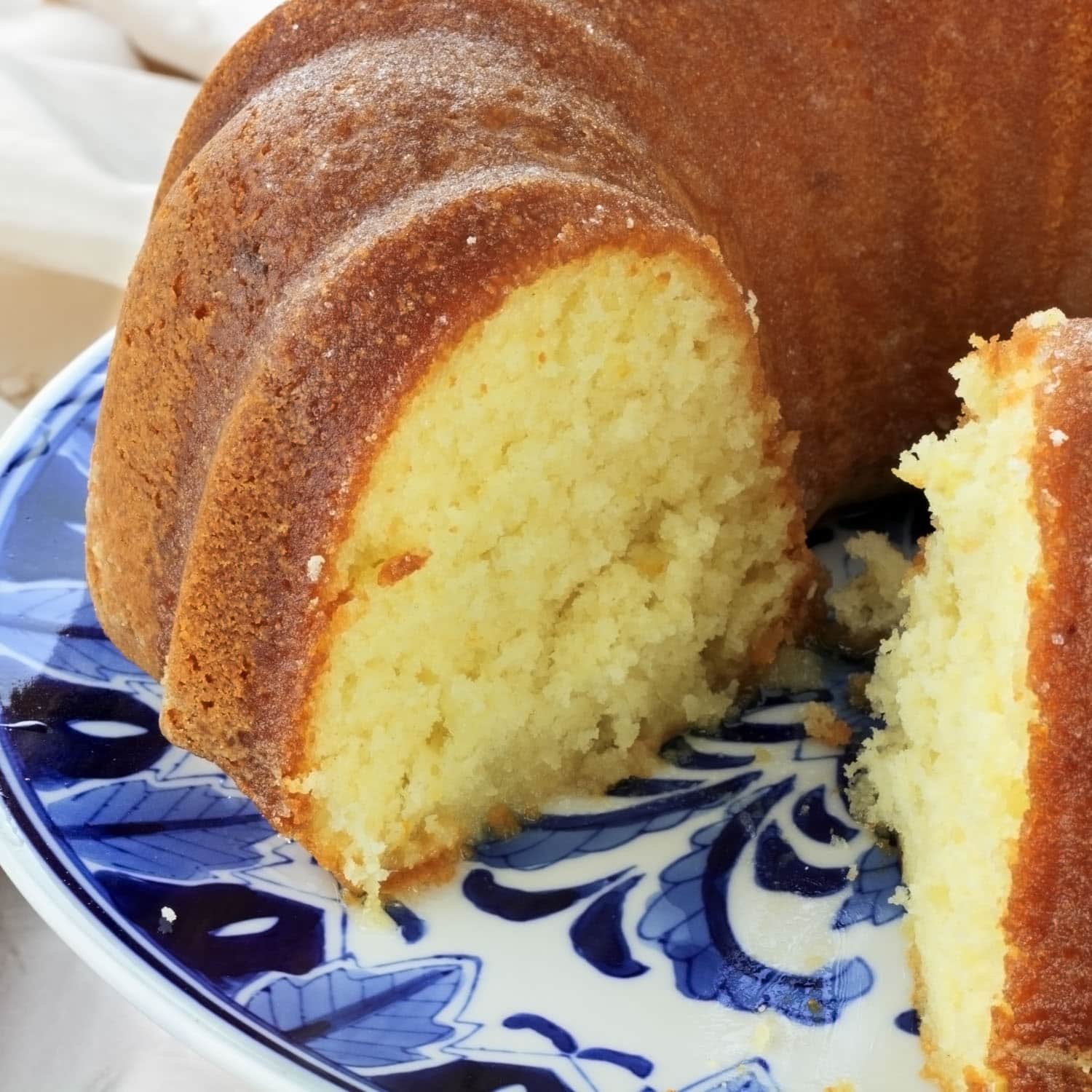
There are some culinary secrets so profound, so counter-intuitive, they transform a good dish into an unforgettable one. For lovers of the classic crisco pound cake, that secret often lies not in a special ingredient or a fancy technique, but in a simple yet revolutionary step: starting your bake in a cold oven. This time-honored method, passed down through generations of home bakers, is the key to achieving that signature velvety crumb, magnificent rise, and delicate crust that defines an authentic vintage Crisco pound cake. Forget everything you thought you knew about preheating; we're about to unlock a baking revelation.
The Crisco pound cake holds a special place in the hearts of many, a nostalgic treat evoking memories of simpler times and comforting flavors. It's more than just a cake; it's a testament to enduring recipes that stand the test of time, proving that sometimes, the old ways truly are the best. While many pound cakes rely on butter, the distinctive properties of Crisco shortening are what give this particular cake its unique, tender crumb and incredible moistness. It's a fundamental element that distinguishes this recipe from all others, providing a higher melting point than butter which results in a cakewith a finer, more delicate texture.
The Enduring Allure of Crisco Pound Cake: A Taste of Nostalgia
The journey into making the perfect crisco pound cake often begins with a story – a friend of a mother, a treasured family cookbook, or perhaps a recipe torn from an old Crisco can from the 1950s or 60s. These cakes weren't just desserts; they were centerpieces at Sunday dinners, holiday gatherings, and quiet afternoon teas. Their popularity wasn't accidental; Crisco, a hydrogenated vegetable shortening, offered a unique blend of benefits that butter simply couldn't replicate for this specific style of cake. Its pure white color allows other ingredients to shine, and its higher fat content (compared to butter's water content) contributes to an exceptionally moist and tender crumb that stays fresh longer.
For purists, the insistence on using Crisco is non-negotiable, and for good reason. Trying to substitute butter or other shortenings might yield a tasty cake, but it won't be the Crisco pound cake with its characteristic tight, fine grain and signature flavor profile. The magic lies in Crisco's unique ability to create a tender structure without adding excess moisture, allowing for that dense yet fluffy texture that’s truly unmistakable. It's a foundational element, critical for achieving the authenticity and quality that made this recipe a vintage favorite.
For more detailed insights into ensuring every aspect of your bake is true to tradition, don't miss our guide on Bake Authentic Vintage Crisco Pound Cake: Essential Tips.
The Heart of the Batter: Creaming for Unparalleled Fluffiness
Before the oven even comes into play, another vital secret to an airy, light crisco pound cake is the meticulous creaming of your shortening, sugar, and eggs. This isn't a step to rush; it's an exercise in patience that directly impacts the final texture of your cake. Many home bakers underestimate the importance of this stage, but truly, this is where the magic begins. You need to whip the Crisco, granulated sugar, and eggs together until the mixture is incredibly light, pale, and fluffy. And by fluffy, we mean really fluffy – a process that often takes a full 15 to 20 minutes with a hand mixer, and sometimes even longer with a stand mixer on medium-high speed.
Why so long? This prolonged creaming process does two crucial things: it incorporates a significant amount of air into the fat and sugar mixture, which acts as a leavening agent alongside any baking powder. This trapped air expands during baking, contributing to the cake's rise and tender structure. Secondly, it helps to dissolve the sugar granules completely, preventing a gritty texture and ensuring a smooth, uniform crumb. Visually, you're looking for the mixture to transform from a dense, yellowish paste into a voluminous, almost cloud-like consistency. Scrape down the sides of the bowl frequently to ensure even creaming. This dedication to aeration sets the stage for a truly superior pound cake, providing an internal lift that complements the unique texture Crisco brings.
To master this crucial technique and avoid common pitfalls, delve deeper into Unlock Fluffy Crisco Pound Cake: Creaming & No Overmixing Secrets.
The Cold Oven Revelation: Unlocking the Perfect Crisco Pound Cake
And now, the moment you've been waiting for: the "cold oven secret." This isn't just a quirky tip; it's a scientifically sound method that yields truly exceptional results for a crisco pound cake. Unlike most baking recipes that demand a preheated oven, here, you place your prepared cake batter into a completely cold oven, then turn the temperature to 300°F (150°C). The gradual, slow increase in temperature as the oven heats up offers several distinct advantages:
- Even Rise: As the oven slowly warms, the batter has more time to gradually warm and rise evenly. This gentle ascent helps prevent the common issue of a cracked top or a dense, sunken center. The cake stretches and expands uniformly, resulting in that beautiful, domed top and an even internal structure.
- Moist Interior: The slow heating process allows the cake to bake more gently, locking in moisture and preventing the edges from drying out before the center is cooked through. This contributes significantly to the incredibly moist crumb that Crisco pound cakes are renowned for.
- Perfect Crust: Starting cold allows the crust to develop slowly and evenly, resulting in a tender, golden exterior that isn't prematurely hardened or overly browned.
The process is straightforward: once your batter is carefully poured into your prepared pan, place it immediately into the unheated oven. Then, set the temperature to 300°F and bake for approximately 1 hour, 50 minutes to 2 hours. The exact timing can vary slightly depending on your oven and pan, so always rely on the classic toothpick test: insert a toothpick into the center, and if it comes out clean, your cake is ready. Resist the urge to open the oven door during the first hour and a half, as this can disrupt the delicate rising process.
Crafting Your Crisco Pound Cake: Beyond the Basics
Mastering the Mix: Avoiding Overbeating
While vigorous creaming is essential, the subsequent mixing of wet and dry ingredients demands a lighter touch. Once you combine your sifted flour, baking powder, and salt with the creamed Crisco mixture, switch to a lower speed on your hand mixer or even finish by hand. Mix just until the ingredients are incorporated and no streaks of dry flour remain. Overmixing at this stage develops the gluten in the flour excessively, leading to a tough, rubbery cake instead of the desired tender crumb. Think of it as gently coaxing the ingredients together, not beating them into submission. The goal is unity, not pulverization.
Pan Perfection: Bundt or DIY?
A classic crisco pound cake often looks stunning in a decorative Bundt pan, which helps with even heat distribution and creates a beautiful presentation. However, if you don't own a Bundt pan, don't despair! You can achieve a similar effect with a standard round cake pan or springform pan. The clever hack involves placing a small, oven-safe ceramic ramekin (sprayed with nonstick spray) in the center of your prepared round pan before pouring in the batter. Weigh it down with a handful of dry beans or pie weights to keep it stable during baking. This creates a makeshift "hole" in the center, mimicking the Bundt pan's design and promoting even baking, ensuring your cake cooks perfectly from edge to center.
Flavor Profile: Classic vs. Custom
The vintage Crisco pound cake often features a simple yet profound flavor profile, typically using vanilla extract. For an extra layer of nostalgic complexity, many traditional recipes call for a combination of ½ teaspoon vanilla extract and ½ teaspoon almond extract. The almond extract adds a subtle depth and a hint of classic "bakery" flavor that complements the richness of the pound cake beautifully. However, feel free to personalize your cake: a touch of lemon zest for brightness, or a hint of orange extract for a citrusy twist can elevate the experience. When it comes to serving, the cake is delicious on its own, dusted with powdered sugar, or elegantly adorned with a simple vanilla or lemon glaze. Pair it with fresh berries and a dollop of whipped cream for a truly decadent treat.
The journey to a perfect crisco pound cake is one of tradition, patience, and a touch of baking wisdom. By embracing the critical creaming process, understanding the science behind the cold oven method, and exercising care in your mixing, you unlock a dessert that is more than just food – it's a comforting echo of the past, a testament to timeless flavors, and a truly magnificent treat for any occasion. Don't be afraid to try this unique baking approach; the results, a fluffy, moist, and perfectly baked pound cake, will speak for themselves and undoubtedly become a cherished recipe in your own family tradition.
